


How Belgain plumbing systems differ - a practical guide


Belgian plumbing systems are defined by specific drainage fall standards, post-meter water distribution design, and material requirements that differ meaningfully from British, American, and most other Western systems. If you have recently moved to Brussels, Waterloo, Tervuren, or Leuven, understanding how Belgian plumbing systems differ will save you money, prevent renovation mistakes, and help you communicate clearly with local tradesmen. The key organisations shaping these standards include Buildwise (formerly WTCB) and suppliers such as Facq and Henco.
How Belgian plumbing systems differ from other countries
Belgian residential plumbing is built around two core technical principles: precise drainage fall compliance and a clearly defined post-meter water distribution scope. Both principles affect how your home performs every day.
Drainage falls and pipe materials
Drainage falls in Belgium must sit between 1 and 2 cm per metre to guarantee correct wastewater flow and prevent chronic blockages. That is a tighter tolerance than many residents from the UK or the US are used to seeing enforced. Get it wrong and you face slow drains, bad smells, and expensive rework.
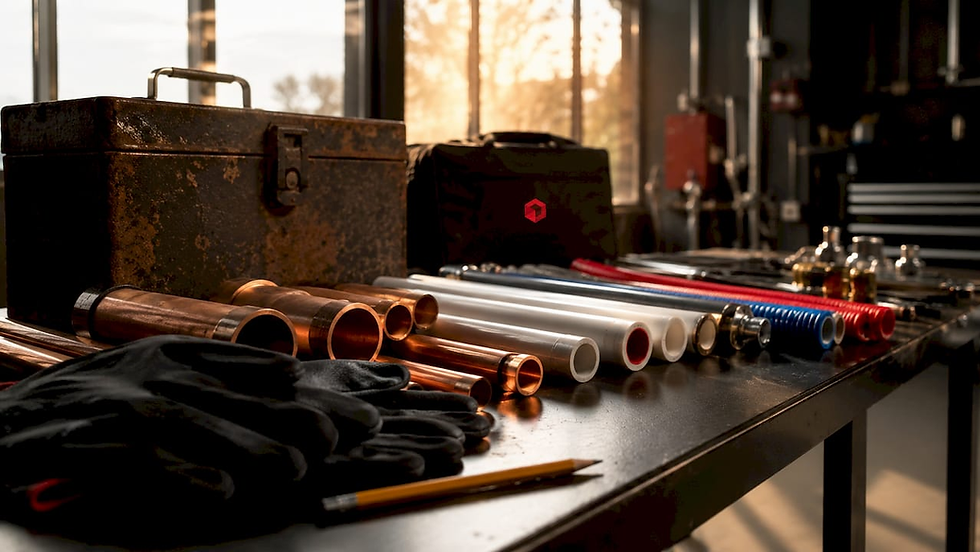
Pipe materials in Belgian homes vary by age and budget. Modern installations use PEX, copper, and multilayer pipe systems certified for hygiene, durability, and corrosion resistance. Henco, for example, supplies sanitary pipes certified by strict Belgian and European authorities for drinking water contact. Older properties built more than 30 years ago frequently contain lead or galvanised steel pipes that no longer meet current standards and must be replaced.
Post-meter water distribution design
Belgium’s drinking-water design scope covers the pressurised system running from the water company’s meter to every tapping point inside the building. This boundary matters because low pressure at your taps is almost always a problem within this post-meter section, not a fault with the utility supply. Buildwise publishes technical guidance specifically on this internal distribution design, which is a level of detail that surprises many expats used to simpler handover arrangements.
Drainage fall: 1–2 cm per metre (Belgian standard)
Pipe materials: PEX, copper, multilayer for new work; lead and galvanised steel require replacement in older homes
Water pressure faults: traced to post-meter distribution design, not the utility
Installation coordination: plumbing, electrics, and tiling must be sequenced correctly
Pro Tip: Before any bathroom renovation, ask your plumber to confirm the drainage fall on every waste pipe. Fixing a wrong fall after tiles are laid costs 2–3 times more than correcting it at the design stage.
How do Belgian and British or American plumbing systems compare?
Belgian plumbing differs from British and American systems in scale, material choice, and regulatory focus. British homes typically use compact combi boilers and pressurised hot water cylinders. American homes rely on large storage tanks and ducted heating. Belgian homes sit closer to the British model but carry their own regulatory layer around drainage planning and post-meter design that neither British nor American standards replicate in the same way.

Feature | Belgium | United Kingdom | United States |
Drainage fall standard | 1–2 cm per metre (enforced) | General guidance, less prescriptive | Varies by state code |
Hot water system | Combi boiler or storage | Combi boiler dominant | Storage tank dominant |
Pipe materials | PEX, copper, multilayer | Copper, plastic | Copper, CPVC, PEX |
Post-meter design scope | Formally defined by Buildwise | Less formally scoped | Varies by municipality |
Concealed vs open pipework | Concealed preferred | Concealed preferred | Mix of both |
Concealed plumbing systems hide pipes inside walls for a cleaner finish and better space efficiency. Open systems leave pipes visible and are easier to maintain. Belgium strongly favours concealed systems in residential properties, which means precise planning before walls are closed is not optional. A mistake discovered after tiling is a costly one.
Pro Tip: If you are buying or renting an older property in Brussels or Leuven, ask for documentation on the pipe materials used. Lead or galvanised steel pipes are a renovation cost you need to budget for before you move in.
What practical implications do Belgian plumbing differences have for residents?
The unique traits of Belgian plumbing translate directly into renovation costs and daily comfort. Here are the four areas that affect residents most.
Plan drainage falls at the design stage. Relocating pipework after finishes are installed costs 2–3 times more than correcting the design before work begins. A qualified plumber maps every waste pipe fall before a single tile goes down.
Replace old pipes during renovation. Older plumbing materials such as lead or galvanised steel must be replaced to meet modern Belgian standards. Combining pipe replacement with a bathroom renovation is far cheaper than returning later for a separate job.
Investigate low pressure at the post-meter level. Low pressure at taps almost always originates within the internal distribution system, not the street supply. A plumber who understands Belgian post-meter design will find the fault faster and fix it correctly.
Coordinate trades from the start. Plumbing, electrical, and tiling work must follow a strict sequence in Belgian renovations. Allowing one trade to finish before the next begins avoids conflicts in wall cavities and prevents expensive rework.
What should English-speaking residents in Brussels, Waterloo, Tervuren, and Leuven know?
Working with Belgian plumbers is straightforward once you know what to ask. The language barrier is the biggest practical obstacle for most expats, and it directly affects how well your project is planned and executed.
Hire a plumber who speaks English and knows Belgian drainage and post-meter standards. Miscommunication about fall gradients or pipe routing is a common source of expensive mistakes.
Ask for a written scope before work begins. Confirm drainage falls, pipe materials, and coordination with other trades are all included.
Check whether your property has older pipes. A Flemish plumbing inspection can identify lead or galvanised steel before you commit to a renovation budget.
Use a service that covers your area. Eutradesmen provides English-speaking plumbers across Brussels, Waterloo, Tervuren, and Leuven, with over 20 years of local experience.
For common repairs such as dripping taps or slow drains, a practical guide to fixing leaking taps in Belgian homes can help you decide whether to call a professional or handle it yourself.
Key takeaways - How Belgain plumbing systems differ
Belgian plumbing systems require precise drainage fall compliance, post-meter water distribution planning, and correct pipe material selection. These three factors define renovation costs, daily water pressure, and long-term maintenance in Belgian homes.
Point | Details |
Drainage fall standard | Falls must be 1–2 cm per metre; errors cost 2–3 times more to fix after tiling. |
Post-meter design scope | Low water pressure is almost always an internal distribution fault, not a utility issue. |
Pipe material compliance | Lead and galvanised steel pipes in older homes must be replaced to meet current standards. |
Trade coordination | Plumbing, electrics, and tiling must be sequenced before walls are closed. |
English-speaking help | Hiring a plumber who understands Belgian standards and speaks English prevents costly miscommunication. |
What we have learned from Belgian plumbing renovations
How Belgain plumbing systems differ - After working across Brussels, Waterloo, Tervuren, and Leuven for over 20 years, the single most common and avoidable mistake we see is drainage fall planning left too late. Residents discover the problem only after tiles are grouted and walls are plastered. The repair bill is always painful. The second pattern we see regularly is expats inheriting old lead or galvanised pipes and not realising it until a renovation is already underway. Getting a pipe condition check before you plan your budget is not overcaution. It is the difference between a project that runs on time and one that doubles in cost. Belgian plumbing has its own logic, and once you understand it, working with it is genuinely straightforward.
— Eutradesmen
Trusted English-speaking plumbing help across Belgium

Eutradesmen has provided reliable, English-speaking plumbing services across Brussels, Waterloo, Tervuren, and Leuven for over 20 years. Whether you need a full bathroom renovation planned to Belgian drainage standards, a post-meter pressure fault diagnosed, or older pipes replaced before they cause damage, the team handles it clearly and efficiently. Alongside professional plumbing services, Eutradesmen also covers handyman, electrical, painting, and home decoration work, so you can coordinate your entire renovation through one trusted contact. No language barrier. No guesswork on Belgian standards. Just reliable work, done right.
Ready to solve your issue? WhatsApp +32 466 900 281 for a free quote today!
FAQ
What is the Belgian drainage fall standard?
Belgian drainage falls must be 1–2 cm per metre to ensure correct wastewater flow and prevent blockages. This is a formally enforced standard, particularly in Flemish renovation projects.
Why is my water pressure low in my Belgian home?
Low pressure at taps in Belgium almost always originates within the post-meter internal distribution system, not the street supply. A qualified plumber can diagnose and fix the fault within the building’s own pipework.
Do I need to replace old pipes in a Belgian renovation?
Yes. Pipes made from lead or galvanised steel, typically found in properties over 30 years old, must be replaced to meet current Belgian standards. Combining replacement with a planned renovation is the most cost-effective approach.
How much more does it cost to fix drainage planning mistakes after tiling?
Relocating pipework after finishes are installed costs 2–3 times more than correcting the design before work begins. Planning drainage falls at the design stage is the single most effective way to control renovation costs.
Where can I find an English-speaking plumber in Brussels or Leuven?
Eutradesmen provides English-speaking plumbing repairs in Leuven and across Brussels, Waterloo, and Tervuren. Contact the team directly for a free quote with no language barrier.
Contact Eutradesmen
WhatsApp: +32 466 900 281 Telephone: +32 2 808 70 31 Email: info@eutradesmen.com
Follow us everywhere
Instagram → https://www.instagram.com/eutrsdesmen/ Facebook → https://www.facebook.com/eutradesmen/ Threads → https://www.threads.com/@eutrsdesmen Bluesky → https://bsky.app/profile/eutradesmen.bsky.social TikTok → https://www.tiktok.com/@eutradesmenbelgium Pinterest → https://www.pinterest.com/eutradesmen/ Google Maps → https://maps.app.goo.gl/zjmYyCV1uADPj7QP6 YouTube → https://www.youtube.com/@Eutradesmen LinkedIn → https://www.linkedin.com/in/eutradesmen-belgium X Twitter → https://x.com/eutradesmen
#BelgianPlumbing #PlumbingBelgium #ExpatBelgium #EnglishPlumberBrussels #PlumberBrussels #PlumberWaterloo #PlumberTervuren #PlumberLeuven #BrusselsExpat #EutrademenBelgium #HomeRenovationBelgium #BathroomRenovationBelgium #EnglishSpeakingTradesmen #HandymanBrussels #BelgiumHomeRepair #ExpatsInBelgium #BrusselsHandyman #WaterlooExpat #TervurenExpat #LeuvenExpat
Recommended


Comments