


Essential gardening advice for expats in Belgium: thrive outdoors

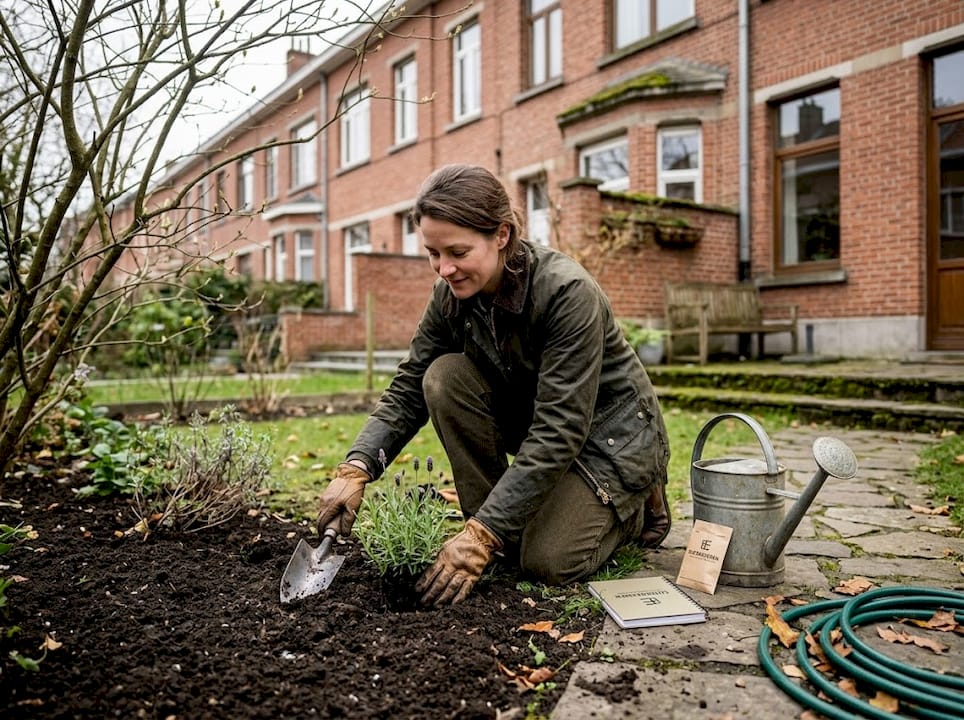
Moving to Belgium and stepping into your new garden can feel like arriving in a foreign country twice over. The climate behaves differently from what most expats expect, the soil varies dramatically from one street to the next, and local rules around garden waste can catch you completely off guard. Many newcomers spend their first season making avoidable mistakes, from planting sun-loving varieties that struggle in Belgium’s grey skies to ignoring drainage until waterlogging sets in. This guide cuts through the confusion. Whether you are settling into Brussels, Waterloo, Tervuren, or Leuven, you will find clear, practical advice to help your garden thrive from the very first season.
Table of Contents
Key Takeaways
Point | Details |
Climate adaptation | Successful Belgian gardening starts with understanding local climate and soil conditions. |
Maintenance matters | Regular seasonal maintenance sets the stage for healthy, thriving gardens. |
Right plant choices | Native perennials and regionally tested species save time and effort for expats. |
Pest prevention | Address humidity-related pests early through airflow, inspections, and proper mulch. |
Compliance | Follow municipal garden waste rules to avoid fines and keep your routine stress-free. |
How Belgium’s climate and soil affect your garden
Understanding your environment is the foundation of every gardening decision you will make. Belgium has a temperate maritime climate with mild summers, cool winters, and steady rainfall throughout the year. That steady rainfall is a double-edged situation. On one hand, you will rarely need to worry about watering during spring and autumn. On the other, drainage becomes your single most important concern, particularly if your garden sits on heavy clay soil.
Belgium’s soil types range considerably across regions. Sandy soils drain quickly and warm up fast in spring, but they struggle to retain nutrients. Loam, a balanced mix of sand, silt, and clay, is the gardener’s ideal and is found in parts of Leuven and Waterloo. Heavy clay soil, common across much of Brussels, holds moisture well but compacts easily and can become waterlogged after prolonged rain. If you are gardening in Brussels, especially in areas like Uccle or Schaerbeek, clay soil is likely your reality.
Soil type | Drainage | Nutrient retention | Common locations |
Sandy | Fast | Low | Coastal and eastern areas |
Loam | Moderate | High | Waterloo, Leuven |
Heavy clay | Slow | High | Brussels, Ixelles, Uccle |
Improving your soil with compost is the most reliable fix regardless of what type you have. For clay soils, dig in well-rotted compost to a depth of around 25 to 30 centimetres, working it in broadly rather than in narrow strips. Repeat this each autumn to gradually improve structure. For sandy soils, compost helps retain moisture and feeds the soil biology that plants depend on. Apply a 5 to 8 centimetre layer as a mulch or dig it in before planting.
“Drainage is not just a nice-to-have in Belgium. In clay-heavy gardens, it is the difference between plants that thrive and plants that slowly drown.”
For spring gardening tips specific to Belgian conditions, it helps to think in terms of microclimates too. A south-facing wall in your garden will be significantly warmer and drier than an open north-facing bed. Shaded corners under trees stay damp far longer after rain.
Pro Tip: Grab a handful of soil from your garden and squeeze it firmly. If it holds its shape and smears when you rub it, you have clay. If it crumbles apart immediately, it is sandy. This simple test tells you exactly what amendments you need before spending a cent on plants.
If you are gardening in Brussels for the first time, take a full week to observe how water moves across your garden after heavy rain before making any permanent planting decisions.
Essential garden cleanup and maintenance for Belgian homes
Once you understand your soil and climate, the next step is building a reliable maintenance rhythm. In Belgium, the gardening year really begins in late March and runs through to early April, when soil temperatures rise enough to support new growth and the risk of hard frost has largely passed.
A well-structured spring tidy-up follows a logical sequence:
Remove dead leaves and debris from beds, lawns, and borders. Wet leaves left over winter can harbour fungal disease and slugs.
Prune shrubs and perennials that were left standing through winter for frost protection. Cut back to healthy growth, removing any dead or crossing stems.
Check and re-edge lawn borders where grass has crept into beds over winter. A clean edge makes the whole garden look intentional.
Mow the lawn for the first time once grass is actively growing, setting your mower to a higher cut initially to avoid scalping.
Compost healthy prunings on the spot if you have a compost bin, or bag them for collection.
The timing for spring cleanup in late March to early April is well established: remove dead leaves, twigs, and old mulch, prune shrubs and perennials, check lawn edges, and mow once growth begins. This sequence keeps your garden healthy and sets you up for a productive summer.
Ongoing maintenance through spring and summer involves regular watering during dry spells, feeding plants with a balanced fertiliser every four to six weeks, and keeping an eye out for pests. Deadheading flowering plants encourages repeat blooming. Weeding little and often is far less work than tackling an overgrown bed in July.

One area that surprises many expats is garden waste disposal. Municipal rules for garden waste vary significantly by city across Brussels, Waterloo, Tervuren, and Leuven, so always check with your local council before putting bags out. Some municipalities offer green waste collections on specific dates, while others require you to drop waste at a designated recycling point.
For a full year-round approach, including how to prepare for colder months, the winter and autumn clean-up guide covers everything you need to know.
Pro Tip: Only compost healthy plant material. Diseased leaves, stems showing mould, or slug-damaged material should go into your municipal waste, not your compost bin. Adding diseased matter to compost risks spreading problems back into your garden next season.
Around 60% of common garden problems in Belgium, including yellowing plants, root rot, and lawn bare patches, trace back to poor drainage or incorrect seasonal timing rather than poor plant choices.
Best plants and vegetables for Belgian gardens
Choosing the right plants is where many expats go wrong. It is tempting to recreate the garden you had back home, but Belgium’s cool, wet climate simply does not suit everything. The good news is that Belgium’s native and naturalised plant palette is genuinely beautiful and far easier to manage.
For ornamental planting, the following are reliable performers in Belgian conditions:
Rhododendrons and azaleas thrive in Belgium’s acidic soils and shade-tolerant conditions
Daffodils and crocuses naturalise easily and return year after year with almost no effort
Hostas and ferns are ideal for shaded, damp corners that would defeat most other plants
Hellebores and snowdrops flower in late winter, extending your garden’s season beautifully
Hardy geraniums and astrantia are tough, long-flowering native perennials that need minimal attention
These plants for Belgian climate are recommended precisely because they match local conditions rather than fighting them.
Plant type | Native or adapted | Ease of care | Risk in Belgian climate |
Hardy geranium | Native perennial | Very easy | Very low |
Lavender | Non-native | Moderate | Moderate (needs drainage) |
Olive tree | Non-native | Difficult | High (frost risk) |
Hosta | Adapted | Easy | Low |
Rosemary | Non-native | Moderate | Moderate (wet winters) |
For vegetables, timing is everything. Belgium’s last frost falls mid-April, which means cold-tolerant crops like peas, broad beans, and spinach can go outside from late February through March. Tomatoes, peppers, and courgettes need to be started indoors and only moved outside after mid-May when the risk of cold nights has genuinely passed.
“Non-native plants do not fail because of bad luck. They fail because Belgium’s climate is genuinely different. Embrace what grows here naturally and your garden will reward you immediately.”
For more tailored advice on selecting the right plants and finding local help, the English-speaking gardener guide is an excellent starting point. If you would rather hand the plant selection over to someone who knows Belgian conditions inside out, professional gardening for expats is a practical option worth considering.
Common challenges: pests, drainage, and city rules
Even with the right plants and good soil preparation, Belgium’s humid spring creates a predictable set of problems. Knowing what to expect means you can act early rather than scrambling to fix damage later.
Slugs and snails are Belgium’s most persistent garden pest. The combination of cool temperatures and regular rainfall creates ideal conditions for them from March through to June. Slugs and snails thrive in humid spring conditions, and the best management approach combines spacing plants for good air circulation with weekly inspections, particularly after rain.
Here are the top preventative actions for each common challenge:
Slugs and snails: Space plants at least 30 to 40 centimetres apart for airflow; inspect under leaves and along bed edges every week; use copper tape around raised beds or containers
Fungal disease: Avoid overhead watering in the evening; remove affected leaves promptly; do not crowd plants
Waterlogging: Improve clay soil with compost and grit; consider raised beds in the worst-affected areas; install simple French drains (gravel-filled trenches that redirect water) in persistently wet spots
Weeds: Mulch beds in spring to suppress germination; hand-weed regularly rather than waiting for large infestations
Pro Tip: Wood chip mulch applied around plants at 5 to 8 centimetres deep creates an uncomfortable surface for slugs and helps retain soil moisture. However, keep mulch away from plant stems and never allow it to block drainage channels or sit against walls.
On the regulatory side, local garden regulations vary meaningfully between municipalities. The municipal garden waste rules across Brussels, Waterloo, Tervuren, and Leuven differ in terms of collection days, bag types, and what materials are accepted. Putting out the wrong bags or missing a collection window can result in waste sitting uncollected for weeks. Always check your local council’s website or ask a neighbour who has been there longer.
“The expats who struggle most in Belgian gardens are not those with the least experience. They are the ones who assume the rules and conditions here match what they knew at home.”
Our perspective: what most expats get wrong (and how to succeed)
After working with English-speaking expats across Brussels, Waterloo, Tervuren, and Leuven, we have noticed a clear pattern. Most newcomers attempt the first season entirely on their own. That is completely understandable. But the mistakes made in that first season, wrong plant choices, poor drainage management, misunderstood waste rules, often take two or three years to fully correct.
The reality is that DIY gardening works well once you know the local conditions, but expats who hire a professional for even one season gain knowledge that saves years of trial and error. A professional who understands Belgian soil, climate, and city rules prevents the most costly mistakes before they happen.
We worked with one expat family in Tervuren who spent their first two summers trying to maintain a lawn of non-native grass varieties they had loved in the UK. The lawn never recovered properly from Belgium’s wet winters. In year three, they replaced it with a native perennial garden featuring hostas, astrantia, and hardy geraniums. It required a fraction of the maintenance and looked genuinely beautiful by June. Adapting to local conditions rather than replicating home-country styles is the single biggest shift that separates successful expat gardeners from frustrated ones.
For those in apartments or with small outdoor spaces, vertical gardens on balconies using wall-mounted planters with herbs and trailing plants can transform even the smallest area. Do not wait for a large garden to start.
If you are ready to get proper help, choosing a professional gardener who speaks English and understands Belgian conditions is the most reliable shortcut available.
Handyman and gardening help for English-speaking expats
Putting all of this advice into practice is much easier when you have reliable, English-speaking help on your side.

At Eutradesmen, we specialise in supporting expats and non-Dutch/French-speaking residents across Belgium with gardening and handyman services delivered in plain English. No language barriers, no guessing games. Whether you need a full spring garden overhaul, ongoing seasonal maintenance, or a one-off fix, our team covers Brussels, Waterloo, Tervuren, and Leuven. You can explore our handyman in Belgium services for broader home support, book an English-speaking gardener in Brussels for city-specific help, or find dedicated Tervuren and Overijse gardeners if you are based further east. Get in touch today for a clear, no-obligation quote.
Frequently asked questions
When should I start spring gardening in Belgium?
Spring cleanup begins in late March or early April, once the risk of frost has passed and soil temperatures are rising. This is the right window to prune, tidy, and begin planting cold-tolerant crops.
What are the easiest plants to grow for beginners in Belgium?
Native perennials are your safest starting point. Hostas, ferns, hardy geraniums, and astrantia are all reliable, low-maintenance, and well-suited to Belgium’s wet, cool conditions.
How do I dispose of garden waste in Brussels?
Garden waste rules vary by municipality across Belgium, so always check your local council’s guidelines before putting bags out. Collection days, bag types, and accepted materials differ between areas.
What’s the best way to prevent slugs and snails?
Space plants for good airflow, carry out weekly inspections after rain, and use copper tape or wood chip mulch as barriers. Early action in March makes a significant difference to the rest of your season.
Contact Eutradesmen:
WhatsApp: +32 466 900 281 Telephone: +32 2 808 70 31 Email: info@eutradesmen.com
Follow us everywhere:
Instagram → https://www.instagram.com/eutrsdesmen/ Facebook → https://www.facebook.com/eutradesmen/ Threads → https://www.threads.com/@eutrsdesmen Bluesky → https://bsky.app/profile/eutradesmen.bsky.social TikTok → https://www.tiktok.com/@eutradesmenbelgium Pinterest → https://www.pinterest.com/eutradesmen/ Google Maps → https://maps.app.goo.gl/zjmYyCV1uADPj7QP6 YouTube → https://www.youtube.com/@Eutradesmen LinkedIn → https://www.linkedin.com/in/eutradesmen-belgium
#ExpatGardeningBelgium #GardeningBrussels #EnglishGardenerBelgium #BrusselsExpat #GardeningWaterloo #TervurenGarden #LeuvenGarden #ExpatBelgium #BelgianGarden #HandymanBrussels #EnglishSpeakingGardener #GardenTipsBelgium #BrusselsGardening #ExpatLifeBelgium #EutrademenBelgium #SpringGardeningBelgium #GardenMaintenanceBelgium #IxellesGarden #UccleGarden #SchaerbeekGarden
Recommended


Comments